
Coal and conflict: How Chhattisgarh tribals lose land rights to Adani
This month, the Chhattisgarh government revoked forest land rights held by tribal communities in Ghatbarra village, following the January decision of the District-Level Committee. The decision paved the way for coal extraction across two adjacent sites: Parsa East and Kete Besant. One block fell under state control. The other passed to Adani Minerals, a subsidiary of the billionaire industrialist Gautam Adani.
The tribal residents of Ghatbarra had claimed these lands three years earlier under India’s Forest Rights Act. That statute permits indigenous communities to assert ownership over forests they have traditionally inhabited. The Gram Sabha, the village assembly, had approved the claims in 2013. The law appeared settled. The land appeared protected.
Yet, the Chhattisgarh government, under Chief Minister Raman Singh, reversed course. Officials stated that tribal use of forest rights to obstruct mining operations constituted an anti-national act. By this logic, legal resistance to corporate extraction had crossed an invisible line separating legitimate dissent from patriotic disloyalty.
Architecture of extraction
Chhattisgarh holds vast mineral wealth. Coal, bauxite and other resources lie beneath forests that remain home to tribal populations. These reserves have attracted multinational corporations and their Indian subsidiaries for decades. Both the ruling Bharatiya Janata Party and the opposition Congress Party have facilitated mining projects across the state. Political competition has not constrained corporate expansion. Rather, both parties have competed to enable it.
The Rajasthan Vidyut Utpadan Nigam, a state electricity enterprise, received rights to Parsa East. Adani Minerals obtained Kete Besant. No public tender process determined the allocation. No open bidding preceded the awards. The mechanism remained opaque. What emerged clearly was that tribal consent played no role in the decision.
Chhattisgarh’s militarised landscape
Chhattisgarh ranks among India’s most heavily militarised states. Only Kashmir and the North East approach its level of paramilitary and security force deployment. This military posture accompanies mining expansion. Opposition to extraction has met police action, arrest and, in numerous documented cases, death. Villagers who resist mining operations face charges of sedition and anti-national activity.
The state has constructed what amounts to an undeclared emergency. Media scrutiny has dimmed. Public assembly faces restrictions. Common speech encounters suppression. Tribal leaders who voice objections to mining have been imprisoned. Some have disappeared.
Mineral and the cost
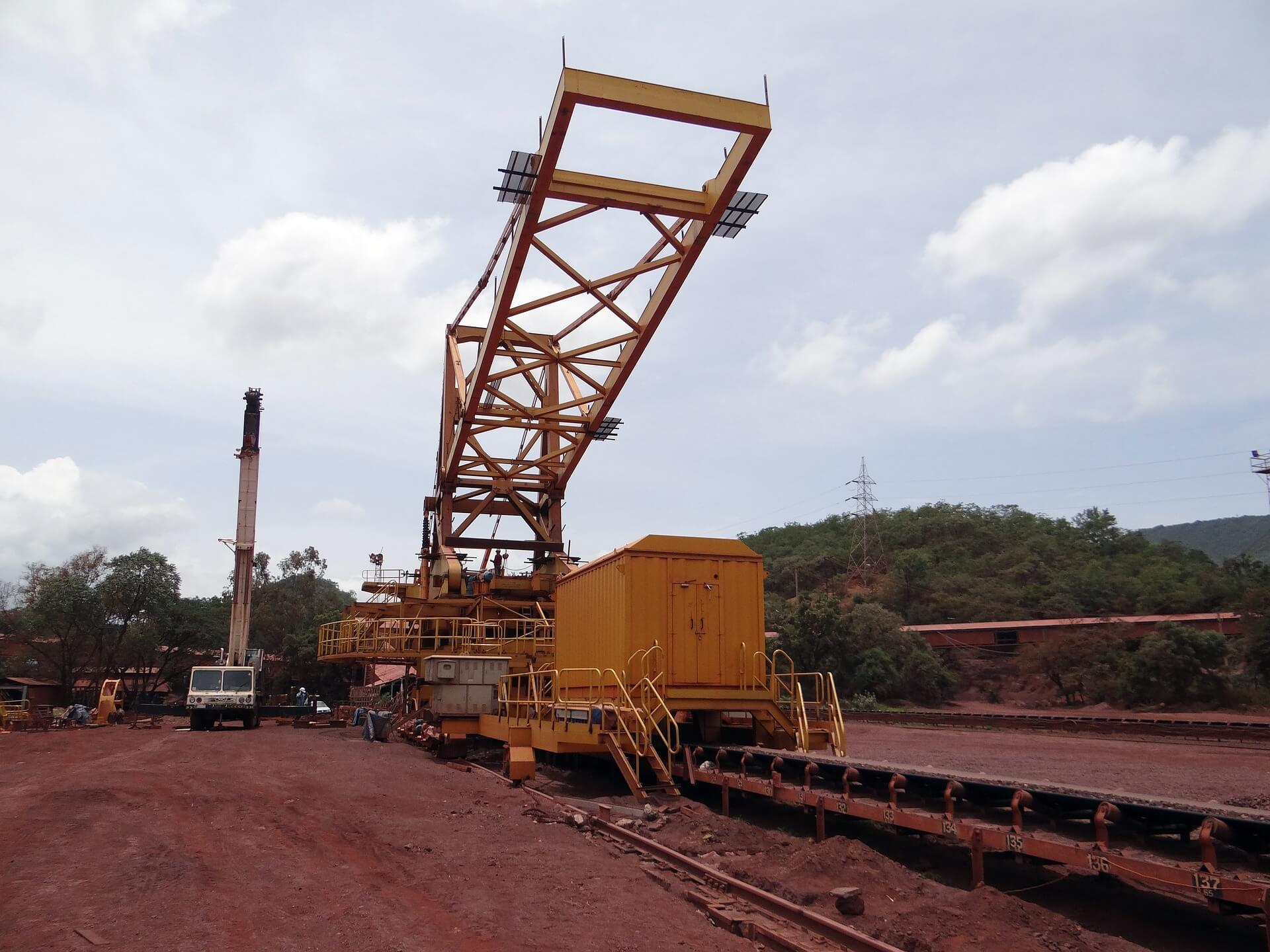
The two coal blocks sit adjacent to an inhabited forest. Their extraction requires the removal of forests that have sustained tribal communities for generations. The Parsa East site covers a significant territory. Kete Besant extends across a comparable area. Combined, the blocks encompass land where thousands of people have lived and worked within forest ecosystems.
Forest removal accelerates ecological collapse. Tribal livelihoods depend upon forest products—timber, non-timber forest goods, hunting rights and agriculture. Mining obliterates these possibilities. Water sources become contaminated. Air quality deteriorates. The landscape transforms from forest to crater and then to industrial wasteland.
Legal inversion
The revocation of Forest Rights Act protections represented a legal inversion. The act existed to restrain corporate extraction and affirm indigenous tenure. The Chhattisgarh government wielded the state’s power to eliminate these protections. It did so by redefining tribal self-defence as national betrayal. In this framework, refusal to abandon ancestral lands became treachery.
The move announced a hierarchy: corporate access to mineral wealth superseded tribal access to forests. Economic extraction preceded human livelihood. The question was not whether mining would occur but only whether tribals would accept their own displacement in the name of national interest.
What remains at stake
Chhattisgarh’s mineral reserves remain substantial. Mining will continue. The question concerns which communities will bear the cost. The revocation of Ghatbarra’s forest rights signalled official intent. Tribal communities would not be permitted to use legal mechanisms to resist extraction. Their Forest Rights Act protections would be overridden when they conflicted with mining expansion. And the Chhattisgarh government, having made this determination, proceeded accordingly.
For the tribal residents of Ghatbarra, the reversal erased a hard-won legal victory. They had followed the law to claim their ancestral land. The state then used its authority to negate their claim. What remained was dispossession dressed in the language of patriotism, and coal mining operations advancing across the forest that had belonged, until that moment, to those who lived within it.

Unsigned articles of People's Review are fruit of the collective wisdom of their writers and the editors; these articles provide ultimate insight into politics, economy, society and world affairs. The editorial freedom enjoyed by the unsigned articles are unmatchable. For any assistance, send an email to [email protected]