
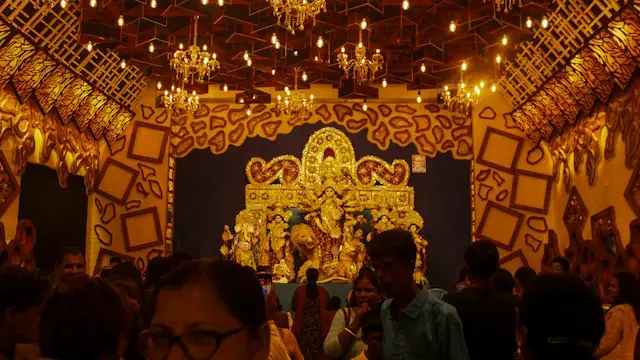
India’s festival season drives economic life
Festivals are an important part of Indian life. They bring families together, preserve traditions and create happiness in towns and villages. During Onam, Vishu, Navaratri, Deepavali, Christmas, Eid, and local temple festivals, markets get busy as people buy flowers, clothes, sweets, gifts, and other items. Behind these celebrations is another important story: the livelihoods of small businesses and street vendors who depend on festival-season trade.
The festival season creates opportunities for local businesses. People buy goods, visit markets, eat at roadside stalls and travel to festival locations. While large shopping centres attract customers, many festival-related transactions take place in small shops, temporary stalls and roadside markets, and these businesses play an important role in the local economy.
Street vendors at the heart of festival season markets
Street vendors make festivals lively and colourful. Near temples, festival grounds and busy streets, they sell flowers, garlands, coconuts, fruits, lamps, bangles, toys, balloons, sweets and snacks. Their stalls offer convenient, affordable products for visitors.
Many vendors work with limited capital. Some carry their goods in baskets, while others use pushcarts, small tables or temporary stalls. Their businesses may appear small, but their earnings help support their families. During the festival season, they often work from early morning until late at night, hoping to make the most of the increased demand.
Flower sellers must obtain fresh flowers, food vendors prepare ingredients, and traders arrange their products attractively. The work requires patience, physical effort and careful planning. Behind every small stall are decisions about purchasing goods, managing expenses and attracting customers.
What the festival season looks like at street level
The author’s observations of festivals in Kerala and other parts of India show the connection between celebrations and ordinary people’s livelihoods. Flower sellers arrange garlands, small traders display their goods, and food vendors serve visitors, each putting in effort that visitors rarely see.
Visitors may focus on worship, entertainment and shopping, while vendors must think about sales, expenses and unsold products. A purchase that seems small to a customer can contribute to a vendor’s daily income. These simple transactions are part of the economic life that continues alongside festival celebrations.
In the author’s view, customers, officials and festival committees should pay greater attention to these hardworking people. Their contribution may not receive much recognition, yet their stalls add colour, convenience and variety to local festivals. At the same time, the author notes, a crowded market does not guarantee a good profit for every trader.
Opportunities and financial challenges for small businesses in the festival season
Business in the festival season creates work for more than street vendors. Flower growers, wholesalers, transport workers, artisans, cooks, packaging suppliers and temporary helpers may also benefit. Small shops selling clothes, groceries, sweets, gifts and decorations can see demand rise in the festival season.
For some families, seasonal earnings supplement income from other occupations. Family members may work together to prepare products, manage sales and transport goods. Young people can also learn practical skills such as customer service, cash handling and basic accounting by helping with family businesses.
However, trading in the festival season involves risks. Vendors often purchase goods before knowing how many customers will arrive. Flowers and fresh food can spoil, while rain, transport expenses, rising wholesale prices and competition can reduce profits. Sales revenue is not the same as actual earnings, because traders must first meet their expenses.
Careful stock planning, simple records of income and expenditure, affordable credit and suitable storage facilities can reduce some of these difficulties. Small traders need opportunities to earn, but they also need conditions that allow them to conduct business safely and fairly.
Traditional products and local markets in the festival season
Festival-season markets also provide opportunities for potters, basket makers, textile workers, toy makers, and producers of traditional foods. In Kerala, people may purchase flowers, traditional lamps, decorations, snacks and locally prepared dishes. Other regions have their own products and customs.
Buying handmade and locally produced items can support artisans and help preserve traditional skills. Small shops and street vendors also make festival products accessible to people who prefer affordable purchases close to home.
Local businesses nevertheless face competition from supermarkets, online shopping and larger retailers. Reasonable prices, good service and careful management remain important. Customers can help by buying suitable local products, treating vendors respectfully, and paying agreed prices.
Local authorities and festival committees can also help by providing appropriate vending spaces, drinking water, sanitation, waste collection and safe pedestrian access. These facilities benefit both traders and visitors throughout the festival season.
Festivals, tourism and the wider economy
Large festivals may attract visitors from nearby towns and other regions. Their spending on transport, accommodation, food and shopping during the festival season can benefit small restaurants, tea stalls, guesthouses and other local services.
However, the benefits are not always distributed equally. Some businesses see increased sales, while others struggle with competition or higher costs. Good festival management, clean public spaces and organised markets can create a better experience for residents, traders and visitors.
Celebrations should benefit everyone
The economic life behind India’s festivals lies not only in large commercial establishments but also in small stalls, roadside shops and family businesses. These traders provide useful products and services, create temporary employment and contribute to the atmosphere of local celebrations in the festival season.
Behind a flower garland, a plate of snacks, or a handmade toy may be the effort of someone who has invested time, money, and hope in a few days of festival-season business. Their contribution deserves recognition.
In the author’s view, festivals become more meaningful when their benefits reach the wider community. Supporting local businesses, treating street vendors fairly and improving their working conditions can make celebrations more inclusive. Festivals are occasions for joy and cultural continuity, but they are also part of ordinary people’s economic lives.

V Rajesh Mohan Rao is a higher secondary commerce teacher based in Dharmadam, Thalassery, Kerala. He writes about cinema, literature, culture, language, heritage and social life, with an interest in the relationship between artistic expression and everyday human experience.